
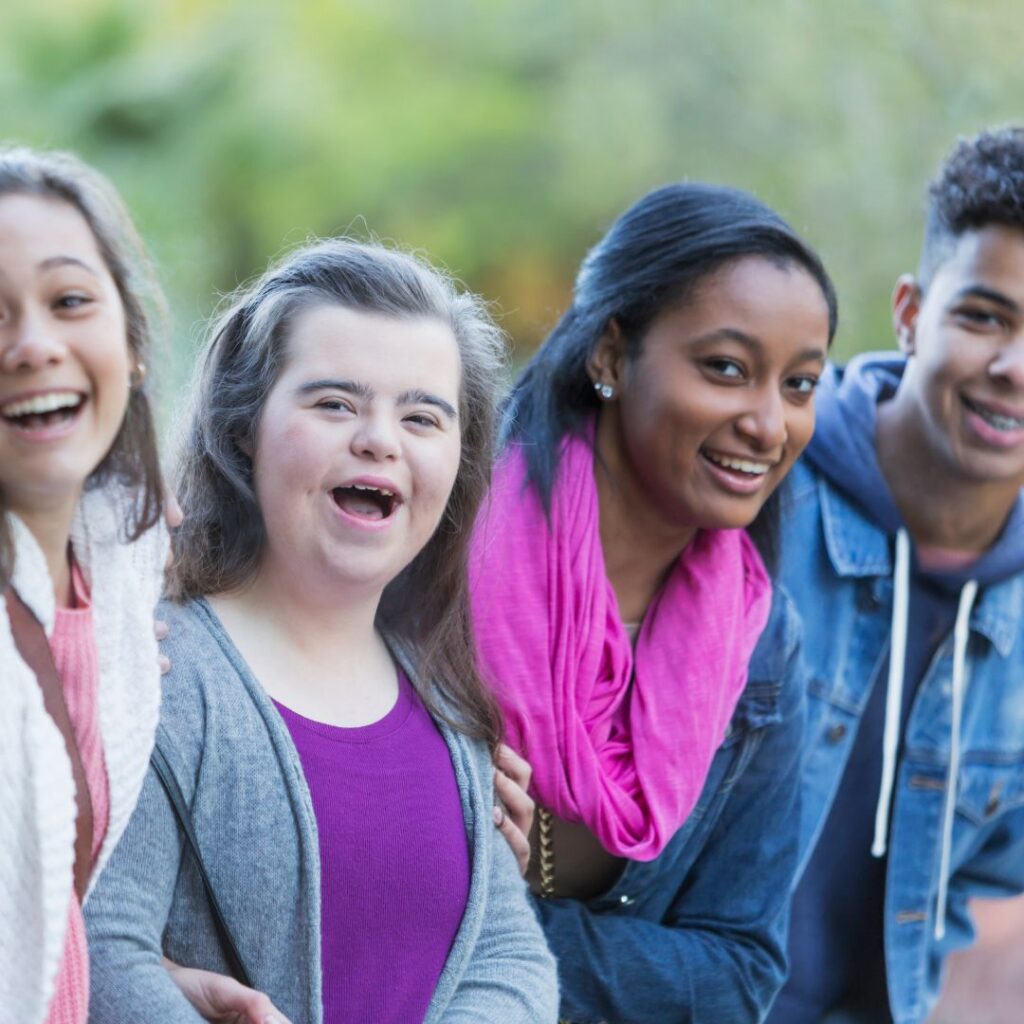
Down Syndrome Awareness Month: There’s More to Know
Every October, we celebrate Down Syndrome Awareness Month, which is a time to recognise the strengths, achievements and contributions of people with Down syndrome, while raising awareness about the importance of inclusion, belonging and equal opportunities.
This year’s theme, “There’s More to Know”, reminds us that there is always more to know about a person than a diagnosis. In fact, every individual has their own unique interests, talents, experiences, relationships, challenges, goals and dreams. The theme encourages us to look beyond assumptions, listen to lived experiences and actually take the time to truly get to know the person.
At QPAH, we are proud to work alongside children, adolescents, adults and older adults with Down syndrome, as well as their families and our industry peers who support them. This month, we’re celebrating what makes each individual unique and also recognising some of the many ways people with Down syndrome enrich our schools, workplaces, sporting clubs, culture, community groups and society as a whole.
There’s Always More to Know About Down Syndrome
People with Down syndrome are often viewed through the lens of their diagnosis; however, no diagnosis can fully capture who a person is.
There’s more to know about:
- Their favourite hobbies and interests
- Their talents and achievements
- Their goals for the future
- Their friendships and relationships
- Their personality and sense of humour
- Their life experiences
- Their contributions to their family and community
Just as every person is different, so too does every person with Down syndrome have their own strengths, aspirations and unique story.
This Down Syndrome Awareness Month, we encourage everyone to move beyond assumptions and focus on getting to know the whole person.
Looking Beyond Stereotypes of Disability
Historically, people with Down syndrome have often been underestimated because of outdated stereotypes and misconceptions. Therefore, one of the most important messages behind “There’s More to Know” is that assumptions can limit opportunities.
When we make assumptions based solely on a diagnosis, we risk overlooking a person’s abilities, talents and potential. Accordingly, we may unintentionally place barriers in the way of opportunities for education, employment, relationships, recreation and community participation.
People with Down syndrome are students, employees, athletes, artists, musicians, advocates, volunteers, friends, siblings, parents and community members, who also contribute to society in countless ways and continue to challenge outdated ideas about what is possible.
By listening to people with Down syndrome and valuing their lived experiences, we create more inclusive communities in which everyone has the opportunity to participate, contribute and thrive.
People with Down Syndrome Can Achieve Amazing Things
Today, people with Down syndrome are achieving more than ever before, simply because they are being given opportunities to learn, grow and pursue their goals.
People with Down syndrome can and do:
- Attend early childhood education programs
- Participate in mainstream and specialist schooling
- Complete vocational and tertiary education
- Gain meaningful employment
- Play recreational and competitive sports
- Create art, music and performances
- Volunteer within their communities
- Travel and explore new experiences
- Build friendships and relationships
- Advocate for themselves and others
- Develop independent living skills
- Pursue careers and personal ambitions.
Success looks different for every individual, and every achievement deserves to be celebrated.
The focus should never be on comparing one person to another, but rather on supporting each individual to work towards the goals that matter most to them.
The Importance of Inclusion
Awareness is important, but inclusion creates meaningful change.
Inclusion means ensuring that people with Down syndrome have opportunities to participate in all aspects of community life. It means creating environments where people feel welcomed, valued, respected and supported.
This includes:
- Inclusive education
- Meaningful employment opportunities
- Accessible community programs
- Social inclusion
- Representation and advocacy
- Participation in decision-making
- Equal access to healthcare and support services.
When communities embrace diversity and create inclusive opportunities, everyone benefits.
People with Down syndrome bring valuable perspectives, skills, experiences and contributions that enrich our schools, workplaces and communities.
The Role of Therapy in Supporting Participation
Every person with Down syndrome is unique and will have different strengths, goals and support needs.
For some individuals, therapy can provide valuable support in building skills, increasing confidence and promoting participation across home, school, work and community settings.
Speech Pathology
Speech pathology can support areas such as:
- Speech clarity
- Language development
- Social communication
- Literacy skills
- Confidence in communication
- Alternative and augmentative communication (AAC).
The goal is not simply communication, but meaningful participation in everyday life.
Occupational Therapy
Occupational therapy can support areas such as:
- Fine motor skills
- Self-care and daily living skills
- Emotional regulation
- Sensory processing
- Independence
- Participation in school, work and community activities.
Supporting functional skills can help individuals engage in the activities that are important to them.
Music Therapy
Music therapy can provide opportunities to:
- Develop communication skills
- Build social connections
- Support emotional expression
- Foster confidence and self-esteem
- Encourage participation through enjoyable and meaningful experiences.
Additionally, music can be a powerful tool for connection, engagement and self-expression.
Supporting Families Along the Journey
Families play an important role in supporting children and adults with Down syndrome to navigate challenges, celebrate achievements and pursue their goals.
From the early years through to adulthood, families often advocate, encourage and create opportunities that support growth and participation.
Having access to positive support networks, inclusive communities and experienced professionals can make a significant difference throughout different stages of life.
At QPAH, we are privileged to work alongside individuals with Down syndrome and their families, helping to build communication, confidence, participation and independence through evidence-based, person-centred therapy.
We are proud to support people of all ages with Down Syndrome in individual, group, residential aged care, early childhood and school settings, as well as through participation in QPAH initiatives such as Singchronous, our all-abilities choir.
Celebrating the Possibilities of Down Syndrome
This Down Syndrome Awareness Month, let’s embrace this year’s theme: “There’s More to Know”, while moving beyond assumptions and taking the time to genuinely get to know people with Down syndrome for who they are as individuals.
Let’s celebrate their strengths, recognise their achievements and continue building communities where everyone feels welcomed, valued and included.
There is always more to know than a diagnosis, including a person’s talents, experiences, goals and contributions. Similarly, there is more to know about what becomes possible when every person is given the opportunity to learn, participate and thrive.
At QPAH, we proudly celebrate the unique strengths, abilities and achievements of people with Down syndrome this October and every month of the year.