
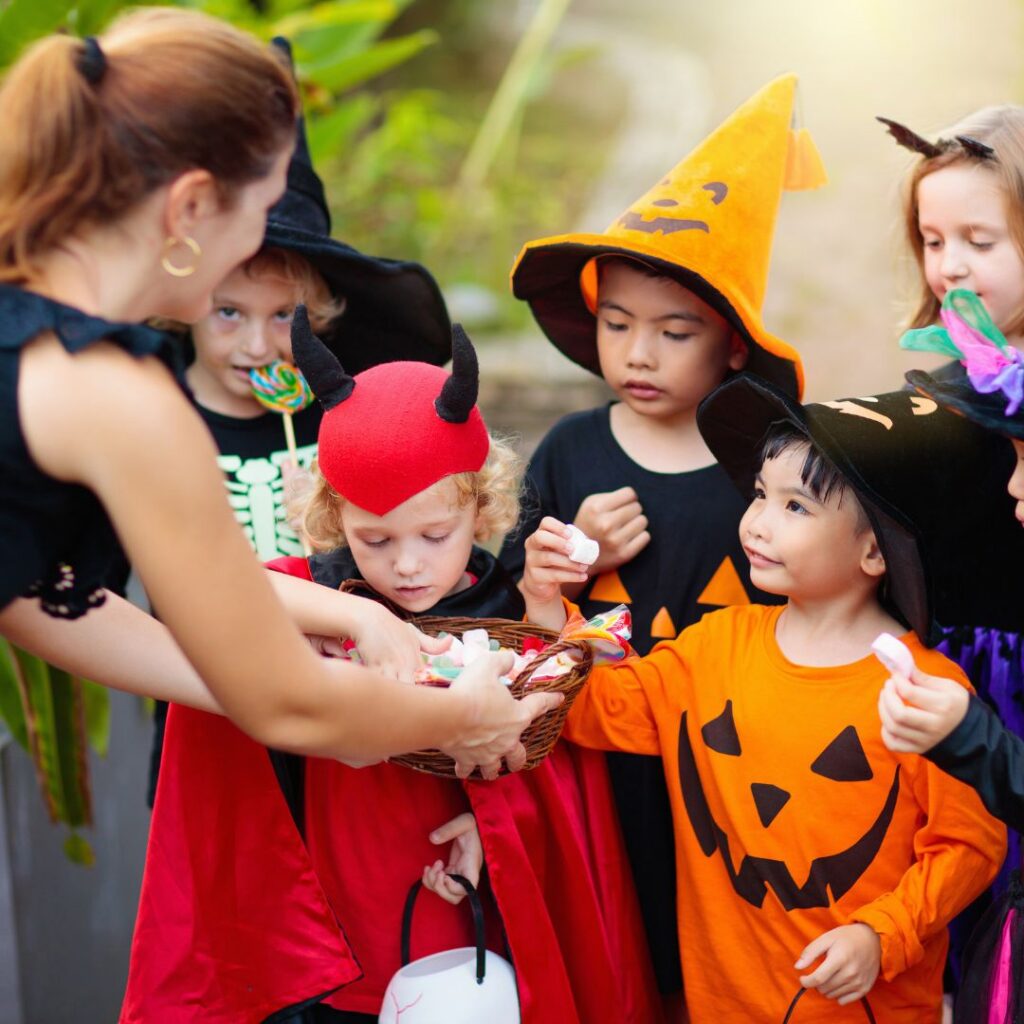
Celebrating Halloween in a Neuro-Affirming Way: Tips for Children with Sensory Differences
Halloween can be an exciting time filled with costumes, treats and community fun. Indeed, for many children, it’s a chance to dress up as a favourite character, visit neighbours and enjoy a special evening with family and friends.
However, for some neurodiverse or neurodivergent children, including those with autism, ADHD, sensory processing differences and other developmental conditions, Halloween can also bring unique challenges. Bright lights, loud noises, unfamiliar social interactions, crowded environments and uncomfortable costumes can quickly become overwhelming.
Fortunately, the good news is that with a little planning and flexibility, creating a neuro-affirming Halloween can be an enjoyable, inclusive and neurodiverse-friendly experience for everyone.
Understanding the Sensory Challenges of Halloween
Many common Halloween activities involve sensory experiences that can be difficult for some children to process. These may include:
- Flashing decorations and strobe lights
- Loud music, sound effects and animated displays
- Unexpected noises from decorations or other trick-or-treaters
- Unfamiliar costumes with itchy fabrics, masks or restrictive accessories
- Strong smells from makeup, fog machines or decorations
- Scary looking costumes or decorations
- Crowded streets and busy neighbourhoods
- Expectations surrounding lollies (either the child or parent’s expectations)
- Changes to routine and heightened excitement.
Every child is different. While some children may love the sensory aspects of Halloween, others may find them overwhelming or unpredictable.
Prepare in Advance
One of the best ways to support a neurodiverse child is to help them know what to expect. Therefore, you may consider:
- Talking about Halloween several days or weeks beforehand
- Looking at photos or videos of trick-or-treating
- Discussing what they might see, hear and do
- Practising saying “trick or treat” or other greetings
- Creating a visual schedule of the evening’s activities.
Preparation can help reduce anxiety and increase confidence when trying something new.
Choose a Comfortable Costume
Costumes are often a highlight of Halloween; however, they can also be a significant source of sensory discomfort.
If your child is sensitive to clothing, you might consider:
- Soft, familiar fabrics
- Dressing as a favourite character using everyday clothing
- Avoiding masks that restrict vision or breathing
- Removing itchy tags or accessories
- Letting your child help choose what they wear.
Remember, participation is more important than wearing a perfect costume. A child can still enjoy Halloween while being comfortable.
Create a Flexible Plan for Trick or Treating
Not every child will want to trick-or-treat for hours – that’s okay. Consider alternatives such as:
- Visiting only a few familiar houses
- Attending a quiet community event
- Hosting a Halloween-themed activity at home
- Organising a costume parade with family members
- Celebrating during daylight hours.
Following your child’s lead can help ensure the experience remains positive and enjoyable.
Bring Sensory Supports
Having familiar supports available can make a big difference. These might include:
- Noise-cancelling headphones
- Sunglasses for bright lights
- Fidget toys
- Comfort items
- Water and preferred snacks
- A safe and familiar adult nearby.
These supports can help children regulate their sensory needs, while still participating inclusively in activities.
Plan Breaks to Avoid Sensory Overload
Undoubtedly, Halloween can involve a lot of stimulation over a relatively short period of time. Watch for signs that your child may need a break, such as:
- Increased irritability
- Covering ears or eyes
- Difficulty communicating
- Changes in behaviour
- Wanting to leave or withdraw.
Taking a short break in a quiet environment can help prevent sensory overload and allow your child to return to activities if they wish.
It’s OK if Lollies Are Not Part of Halloween
For many families, Halloween is closely associated with trick-or-treating and collecting lollies. While this can be a fun tradition for some children, it’s important to remember that not every child enjoys, tolerates or is able to eat lollies – that’s perfectly okay.
Some neurodivergent children and young people may experience feeding differences, sensory sensitivities, anxiety around unfamiliar foods or medical and dietary restrictions that make eating Halloween treats challenging or undesirable. Others may have a limited range of preferred foods and feel overwhelmed by the expectation to try something new simply because “everyone else is.”
As parents, caregivers and community members, we can help make Halloween more inclusive for neurodiverse individuals by removing the pressure around food choices. A child should never feel embarrassed, judged or left out because they choose not to eat lollies. Equally, families should not feel obligated to include sweets in their Halloween celebrations if they don’t align with their child’s needs, preferences or goals.
Halloween can still be magical without lollies. Some families choose non-food treats such as stickers, glow sticks, small toys, sensory items or themed activities. Others focus on dressing up, decorating, storytelling, pumpkin carving or spending time with friends and family.
By embracing different and neuro-affirming ways to celebrate, we help create an environment where every child feels accepted. Halloween isn’t about what is eaten. It’s about having fun, feeling included and participating in ways that are comfortable and meaningful for each individual.
When we move away from expectations and towards understanding, we send an important message to our children: there is no wrong way to enjoy Halloween.
Remember That Every Child Celebrates Differently
It’s important to remember that there is no “right” way to celebrate Halloween.
Some children may love visiting dozens of houses. Others may be happy dressing up for ten minutes at home. Some may not want to participate at all.
Success is not measured by how closely a child follows traditional Halloween activities. Success is when a child feels safe, comfortable, included and supported.
Creating Inclusive, Neuro-Affirming Halloween Experiences
As a community, we can all play a role in making Halloween more welcoming for neurodiverse children and their families.
Simple adjustments, such as reducing loud noises, being patient during interactions and offering understanding, can make a significant difference.
By embracing flexibility and celebrating differences, we can help ensure that every child has the opportunity to enjoy Halloween in a way that works best for them.
How QPAH Can Help
At QLD Premium Allied Health, our Speech Pathologists, Occupational Therapists, Registered Music Therapists and Allied Health Assistants work with children and families to develop strategies that support participation in meaningful everyday activities, including special events and community celebrations.
Whether your child experiences sensory challenges, anxiety around new experiences or difficulties with social communication, our team can help identify practical strategies that build confidence and support successful participation in the activities that matter most to them.
Halloween looks different for every family – that’s perfectly okay. The most important thing is creating experiences that allow children to feel comfortable, included and empowered to be themselves.
Wishing all of our clients, families and community a safe, fun, neuro-affirming, inclusive and sensory-friendly Halloween!