
Helping Neurodivergent Kids Navigate Australia’s Social Media Ban
On 10 December 2025, Australia implemented a world-first law restricting children under 16 from holding accounts on major social media platforms including Facebook, Instagram, TikTok, Snapchat, YouTube, Reddit, Twitch, Kick, Threads and X. The ban aims to protect young Australians from harmful content, addictive design features and online pressures.
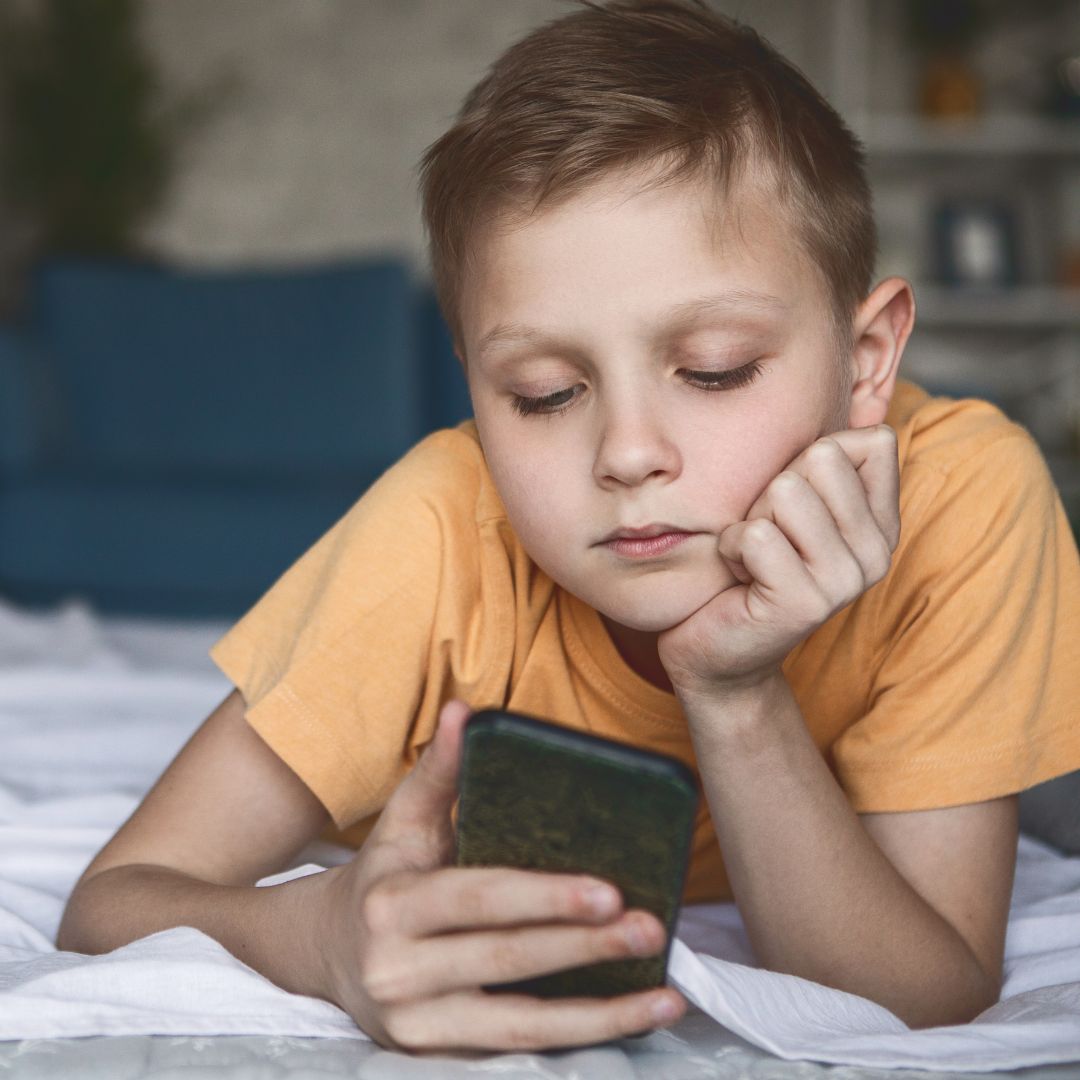
While many families welcome the change, it presents unique challenges for neurodivergent children, who often rely on online spaces for social connection, self-expression and community.
Supporting neurodivergent kids through Australia’s new under-16 social media ban means focusing on connection, creativity and emotional safety. Families, schools and therapy providers can play a vital role in helping children adapt.
At QPAH, we believe every child deserves support that honours their individuality. Here’s how families, educators and therapists can help neurodivergent kids cope with this transition.
Understanding the Impact
- Loss of routine and community: Many neurodivergent children use social media to connect with peers who share their interests or identities. Losing access may feel isolating.
- Sensory regulation: Platforms like TikTok or YouTube can provide predictable, calming content. Removing these tools may increase stress.
- Communication challenges: For children who struggle with face-to-face interaction, online spaces often feel safer. The ban may heighten anxiety about socialising offline.
Strategies for Support
- Create alternative safe spaces: Encourage supervised use of platforms not restricted under the ban, such as Discord, Roblox, Steam, WhatsApp or YouTube Kids, which remain accessible. These can provide moderated, age-appropriate interaction.
- Build offline routines: Replace scrolling time with structured activities (e.g. art, music, board games or outdoor play) that support regulation and creativity.
- Encourage time with peer groups: Utilise in-person clubs or therapy groups where neurodivergent kids can bond over shared interests.
- Use therapeutic tools: Apps designed for learning, mindfulness or communication (e.g. Google Classroom or LEGO Play) can help fill the gap with positive digital engagement.
- Validate feelings: Acknowledge frustration or sadness. Neurodivergent children may need extra reassurance that their voices matter and their needs are understood.
Role of Families and Schools
- Collaborative planning: Work with children to co-create new routines, giving them agency in choosing activities.
- Education and transparency: Explain the reasons behind the ban in simple, supportive language. Focus on safety, rather than restriction.
- Community partnerships: Schools and therapy providers can host workshops for parents and carers, sharing strategies to support neurodivergent kids during this shift.
Turning Challenge into Opportunity
While the ban may feel disruptive, it also opens doors to strengthen offline relationships, nurture creativity and build resilience. For neurodivergent children, the key is not removing connection, but redirecting it into safe, supportive environments. By working together as families, educators and therapy providers, we can ensure that every child continues to thrive.
At QPAH, we’re committed to celebrating diversity and supporting families through change. This moment is an opportunity to reimagine how we connect, ensuring neurodivergent kids feel seen, valued and included.
If your child requires some additional support (particularly during the school holiday period when they may feel particularly isolated from their peers), QPAH is here to help. Our Southport and Varsity Lakes clinics will be open until 12pm on Friday 19 December 2025; and will re-open on Monday 5 January 2026.
We are also running a “Therapy Club” program through the school holidays (including during our Christmas closure) to support children in developing social interactions and building connections.
For all bookings and enquiries please phone 07 5647 6120 or email info@qpah.com.au today.